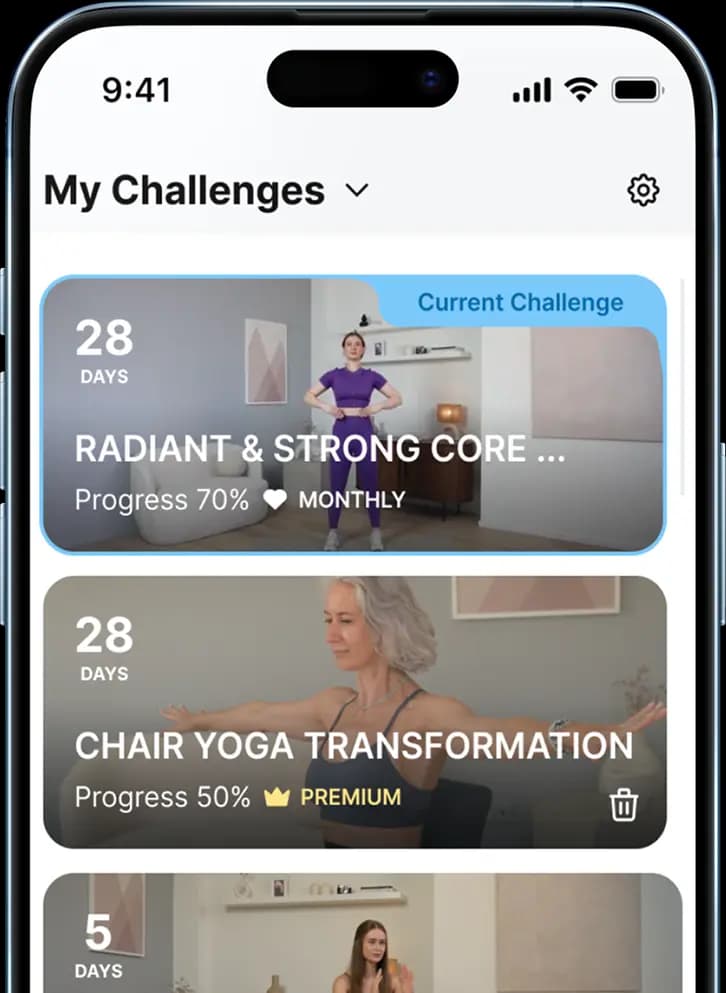
You don't need 21 days to build a habit. You need 5.


Coaches, motivational speakers, and self-help authors have been repeating the same rule for decades: do something 21 times, and it’s wired into your brain forever. That rule is why millions of people feel like failures when they drop a new habit on day 22. And it’s why most people give up on themselves before their brain has had a real chance to build anything.
But this rule was never science.
In 1960, a plastic surgeon named Maxwell Maltz wrote that his patients needed a minimum of 21 days to get used to their new appearance after surgery. Minimum 21 days. That phrase turned into “exactly 21 days” and spread everywhere. No research behind it, just one doctor’s observation of his own patients.
In 2010, researchers at University College London ran the first serious scientific study on habit formation. On average, a new habit becomes automatic in 66 days. The range goes from 18 to 254 days, depending on the complexity of the habit and the person themselves.
Here’s what actually happens in your brain.
The neural connection between wanting to do something and actually doing it starts forming after just a few repetitions. 5 consecutive days of training trigger the first level of that process, and the brain starts laying down an initial pathway. It’s not automatic yet, but something real is already happening at the level of neurons.
So what happens around day 21?
The neural connections start getting their first layer of myelin - a fatty coating that insulates nerve fibers and speeds up signal transmission. That’s what eventually turns a conscious effort into something automatic. But full myelin formation takes months. Stable habit formation requires 6 to 9 months of regular practice.
How many times have you started and quit a workout, thinking something was wrong with your willpower? What if the problem was just the wrong expectations?
Why 5 days is the perfect entry point?
It’s enough for your brain to launch the first level of neural connection. It’s short enough to feel like a real plan rather than an overwhelming commitment. And it’s long enough to know whether this type of training actually works for you.
One more thing from the researchers.
Skipping one day doesn’t break a habit. The brain is flexible enough to keep building the neural pathway after a single miss. What actually breaks a habit is deciding to stop after that miss. After 5 days, coming back the following week gets easier. After 10 days even easier. That’s how something gradually becomes natural.
Willpower always helps, but with habits, the most important thing is simply to start. 5 days in and your neurons are already doing the work.
After the first workout, your brain starts changing.
Neurons lay down the path, myelin begins to form, and each day that follows makes returning easier.
Give it a try and start with our 5-day challenge. We’re right here with you. Let’s go!
Want to learn more about how your brain builds habits?
Head to the blog, we have material that would be interesting for you.
read the blogalso you might like
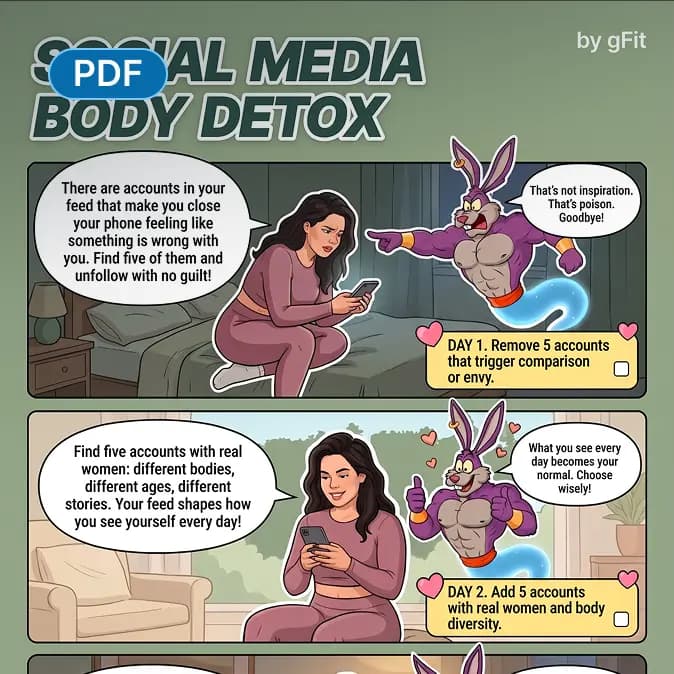
Your Complete 28-Day Longevity Toolkit
In this PDF, we'll dispel fitness myths and give you a step-by-step system to finally escape the frustrating cycle of 'starting and quitting'.
Download PDFWhat if coffee is the worst way to wake up?
Most of us start the morning the same way. Alarm, shower, coffee maker. Coffee has become a survival ritual for all of us, and we’ve gotten so used to it that we stopped asking: Does it actually solve the problem or just push it off for a few hours?
Go to article

Don’t want to miss anything?
Get weekly updates to the newest design stories, case studies and tips.